 Applied
SINOPCC GROUP
Advancing Materials Through Science and Engineering
SINOPCC GROUP is a materials technology group with roots in organosilane chemistry dating back to 1989. Over the decades, its activities have expanded from silanes and silicone materials into specialty chemicals, polymer additives, photochemistry, and advanced material applications.
The Group's technical activities are built around two complementary fields: Silicone & Silane Technologies and Polymer Additives & Photochemical Materials. These fields bring together molecular chemistry, materials engineering, manufacturing processes, and application-oriented research.
Through its industrial experience and technical knowledge, SINOPCC GROUP supports the development and understanding of materials used across a wide range of industrial and scientific applications.
Our History
A Foundation in Materials Chemistry
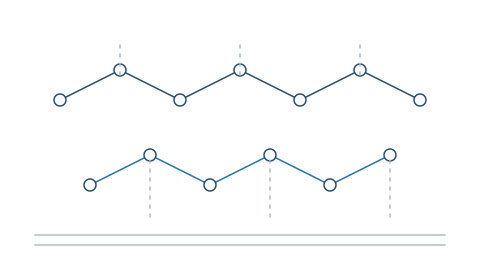
SINOPCC GROUP's industrial origins can be traced to the establishment of Nanjing Chuangye Chemical Factory in 1989, initially focusing on organosilane chemistry and manufacturing.
During the following decades, its technical activities expanded into silicone fluids, elastomers, resins, fumed silica, and specialty silicone materials. The development of additional manufacturing facilities and processes supported this broader materials portfolio.
Beginning in 2015, the Group expanded into polymer additives and photochemical materials, including antioxidants, light stabilizers, UV absorbers, UV filters, and photoinitiators.
In 2018, the PCC GROUP name was changed to SINOPCC GROUP, reflecting its broader organizational and technology development.
Today, the Group's activities cover complementary material technologies used in polymer processing, surface modification, chemical formulation, and industrial applications.
Timeline
- 1989
Foundations in Organosilane Chemistry
Establishment of Nanjing Chuangye Chemical Factory, marking the beginning of the Group's industrial roots.
- 2000s
Expansion of Silicone Technologies
Development of manufacturing capabilities covering silicone fluids, elastomers, resins, and specialty silicone materials.
- 2012
Process Automation
Implementation of distributed control systems (DCS) as part of manufacturing process modernization.
- 2015
Diversification into Polymer Additives
Expansion into polymer stabilization and photochemical materials.
- 2018
SINOPCC GROUP
Adoption of the SINOPCC GROUP name.
- Today
Integrated Materials Expertise
Continued development of silicone technologies, specialty chemical materials, process knowledge, and industrial applications.
Our Technology Fields
Two Complementary Areas of Materials Science

Silicone & Silane Technologies
Organosilicon chemistry provides a versatile foundation for tailoring surface properties, interfacial bonding, elasticity, thermal behavior, and processing characteristics.
The Group's technical activities encompass functional silanes, siloxanes, silicone fluids and derivatives, elastomers, resins, fumed silica, specialty silicones, and silicone-based additives.
These materials are studied and applied in coatings, adhesives, sealants, rubber, composites, electronics, construction, and other industrial systems.
Polymer Additives & Photochemical Materials
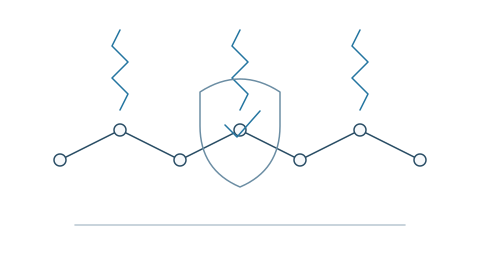
Polymer stability and photochemical behavior are important considerations in the design and service life of modern materials.
This field covers antioxidants, light stabilizers, UV absorbers, UV filters for personal care, photoinitiators, and other functional additives.
Related technologies address thermal and photo-oxidative degradation, polymer durability, light absorption, and light-initiated curing in different material systems.
Together, these two fields provide a broad technical foundation for understanding the relationship between chemical structure, processing conditions, and material performance.
Manufacturing & Process Technology
From Chemistry to Industrial Manufacturing
SINOPCC GROUP's manufacturing network, as described in the Group's materials, comprises 13 production facilities: nine focused on silicone materials and derivatives, and four dedicated to specialty chemicals and related functional materials.
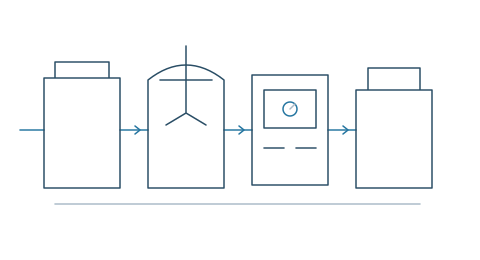
Manufacturing activities span different chemical processes and material forms, requiring process control, monitoring, testing, and consistent operating procedures.
The introduction of distributed control systems (DCS) in 2012 formed part of the Group's development in process automation. Such systems support the monitoring and adjustment of manufacturing parameters.
The integration of material chemistry, process engineering, and manufacturing experience provides a foundation for translating laboratory knowledge into industrial-scale material production.
Research & Development
Connecting Scientific Understanding with Practical Applications
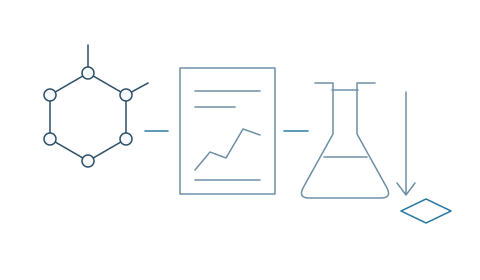
Research and development activities focus on the relationship between molecular structure, material properties, processing conditions, and performance in practical applications.
The Group's technical development approach brings together chemical research, formulation studies, process evaluation, and manufacturing knowledge.
Its historical research activities have included cooperation with academic institutions and work in silane chemistry, silicone materials, polymer stabilization, and specialty formulations.
This application-oriented approach helps connect scientific principles with the technical requirements of real manufacturing and material systems.
Quality & Process Control
Quality Through Process Understanding
Consistent material performance depends on controlled processes, appropriate testing, and systematic quality management.
The Group's quality management approach includes raw material evaluation, process monitoring, finished-product inspection, and continuous improvement.
Its manufacturing and quality activities have incorporated ISO-based management practices and laboratory testing.
Process control and quality evaluation are treated as interconnected parts of materials manufacturing, helping improve reproducibility and identify variations throughout production.
Industrial Applications
Materials Across Industries
The technologies represented within SINOPCC GROUP are relevant to a broad range of material systems and applications, including:

Coatings & Surface Technology
Surface modification, wetting, adhesion, flow, and durability.

Adhesives & Sealants
Interfacial bonding, crosslinking, rheology, and elastomeric performance.
Plastics & Polymers
Processing, stabilization, mechanical performance, and weathering resistance.

Electronics & Electrical Engineering
Insulation, encapsulation, material compatibility, and functional coatings.

Construction & Composites
Moisture resistance, reinforcement, surface treatment, and long-term durability.

Personal Care & Functional Materials
Silicone-based formulation technologies and UV protection materials.
Responsible Materials Development
Progress Through Continuous Improvement
Material development increasingly involves considerations beyond immediate performance, including manufacturing efficiency, resource utilization, product durability, and environmental responsibility.
SINOPCC GROUP's technical direction includes process improvement, material stability, and research into technologies that may contribute to more efficient and durable material systems.
The Group continues to explore approaches that connect industrial development with responsible use of resources and a longer-term understanding of material performance.
Supporting Technical Intelligence
Industrial Experience Meets Technical Knowledge
SITI is a technical knowledge initiative supported by SINOPCC GROUP.
Drawing on the Group's background in materials chemistry and industrial applications, SITI provides a platform for technical articles, application insights, material selection guidance, and professional technical Q&A.
Its purpose is to make complex technical subjects more accessible while maintaining a practical, evidence-based approach to materials and engineering knowledge.
SITI — Applied Technical Intelligence
Supported by SINOPCC Group.